

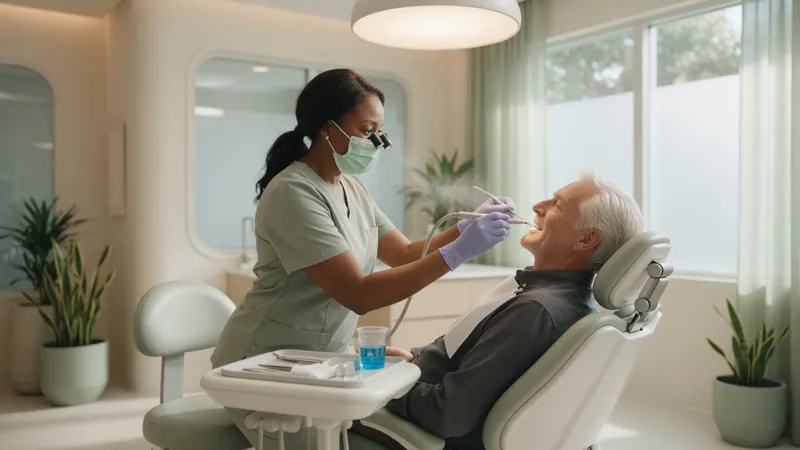
The short answer: usually twice a year, sometimes more
Most adults should see a dentist at least twice a year for an exam and cleaning, according to Cleveland Clinic. Some people need more visits. A few do well with fewer. Your dentist sets the right schedule based on your mouth.
The old rule of "every six months for everyone" has loosened. The American Dental Association now says the schedule should fit each person's oral health needs. In plain words, a low-risk person and a high-risk person do not need the same plan.
This article helps you figure out where you fit and what signs mean you should not wait.
A simple rule: when in doubt, ask. At your next visit, say, "How often do you want to see me, and why?" A good dentist will give you a reason, not a rule.
Why regular visits matter
Most dental problems start quietly. A small cavity does not hurt. Early gum disease often does not hurt either. By the time pain shows up, the problem is usually bigger, and the fix costs more time and money.
Regular visits catch trouble when it is small. A filling is easier than a root canal. A deep cleaning is easier than losing a tooth. Your dentist also screens for oral cancer at checkups, and early detection makes a real difference.
Gum disease shows why this matters. CDC data find that about 47 percent of U.S. adults age 30 and older have some form of it, and the rate climbs to about 70 percent after age 65. Many do not know it. A hygienist can measure and spot it early, before bone loss starts.
Time matters here. A cavity that is caught early can often be fixed with a small filling. The same cavity left alone for a year may reach the nerve and need a root canal or a crown. Waiting rarely saves money.
Checkups also give you a record. Over the years, your dentist can compare X-rays, measurements and photos, and notice small changes that a single visit might miss. That history is one of the biggest benefits of staying with one office.
Who might need to come more than twice a year
Your dentist may suggest three or four visits a year if you have any of these:
Your dentist will explain which of these apply to you. If more than one does, the case for visiting every three to four months grows stronger. These extra visits are usually cleanings, not long exams, and many people find them quick and easy to fit in.
- Gum disease, or a history of it
- A lot of cavities, or new cavities every year
- Diabetes, which makes gum infections harder to control
- Pregnancy, when hormones can make gums bleed and swell
- Smoking or vaping
- A dry mouth, from a medicine or a health condition
- Braces, clear aligners or lots of crowns and bridges
- Dentures, partials or implants that need regular care
Who might need fewer visits
Some people with a long history of healthy teeth and gums, who brush and floss well, may do fine with one visit a year. But this is a decision for your dentist, not for you to make by guess. Risk can change. A new medicine, a stressful year or a change in diet can bring cavities back.
If you think you might be low risk, ask. A good dentist will review your history and tell you honestly. If you have skipped visits for years, start with the normal schedule and let the dentist tell you when to ease off.
Risk also changes with life. Pregnancy, a new medicine, a cancer treatment or a move to a new city can all shift what you need. Tell your dentist when something big changes in your health, even if it seems unrelated to your mouth.
What happens at a regular checkup
A regular visit has two parts: the cleaning and the exam. The hygienist removes plaque and tartar, which are the soft film and hard buildup that brushing misses. The hygienist also measures the gums and polishes your teeth.
The dentist then checks for cavities, gum problems, cracked teeth, worn fillings and changes in your bite. They look at your tongue, cheeks and throat too. X-rays are taken when needed. The ADA says dentists should use them only when necessary to diagnose and treat, so how often you get them depends on your risk.
A longer cleaning visit gives time to do all of this carefully. That is why we give routine cleanings a full hour.
Between visits, the basics do most of the work: brush twice a day for two minutes with a fluoride toothpaste, clean between your teeth once a day, and cut back on sugary drinks and snacks. These habits lower your risk, and lower risk can mean fewer visits over time.
Do not be surprised if your hygienist asks about your diet, your water habits and whether your mouth feels dry. These questions are part of measuring your cavity risk. Honest answers help the team set a plan that fits your real life.
Wearing dentures or have implants? You still need checkups
People with dentures, partials or implants sometimes think they no longer need to visit. They do. Dentures and partials can loosen as your jaw changes. Your dentist checks the fit, your gums and the soft tissues for sores or changes.
Implants need cleaning too. Plaque around an implant can cause gum infection, much like around a natural tooth. Regular visits help protect your investment.
If you have lost all or most of your teeth, you still need an exam at least once a year. The dentist screens for oral cancer and checks the health of your gums and jaw.
If you wear a denture, take it out at night unless your dentist tells you otherwise, and clean it daily. Never use superglue or other home fixes if it cracks. Call your dentist, who can often repair it quickly.
Signs you should not wait for your next visit
Call the office soon if you notice any of these:
Do not try to wait out swelling, a fever with a toothache or a tooth knocked out of your mouth. Those cases need urgent care. If the dental office is closed, go to an emergency room for swelling that spreads to your face or neck or makes it hard to breathe or swallow.
- A toothache, or pain when you chew
- Sensitivity to hot, cold or sweets that does not go away
- Bleeding, red or swollen gums
- Bad breath that does not go away after brushing
- A loose tooth, or a tooth that feels different when you bite
- A sore, lump or white or red patch in your mouth that lasts more than two weeks
- A swollen face or jaw. Treat this as an emergency.
Scheduling your visits at Kendall Dental Associates
We have cared for patients in Kendall since 1973, at 8833 SW 107th Ave. Your routine cleaning with one of our hygienists is an hour long, so there is time to get a good clean and ask your questions. Dr. Alfredo Calderon, Dr. David Faget, Dr. Wayne Berry and Dr. Laurence Huber take care of exams and treatment.
We are open Monday to Friday, 8:00 AM to 5:00 PM, and offer emergency care 24/7. We accept most dental insurances and most Medicare supplemental plans, and financing is available. Call 305-271-1421 to book your next visit, or to ask how often your own mouth needs to be seen.
If you do not have a regular dentist, a first visit is a good time to ask this very question. Bring your health history, and the dentist can tell you the schedule that makes sense for you.
Common questions
Is twice a year really necessary?
For most adults, yes. Cleveland Clinic recommends at least twice a year. Some low-risk people may need fewer visits, and higher-risk people need more.
Do I still need to see a dentist if I have no pain?
Yes. Cavities and early gum disease often do not hurt. Checkups find them while they are small.
How often should people with dentures see a dentist?
At least once a year, and often more. The dentist checks the fit and your gums, and screens for oral cancer.
How often do I need dental X-rays?
It depends on your risk and history. The ADA says dentists should take them only when needed for diagnosis and treatment.
I have not been in years. Is it too late?
No. Book a visit and start there. Your dentist will help you catch up in steps.
This article is general information, not medical advice. Your dentist will confirm what is right for you at your exam. General information checked against: my.clevelandclinic.org, drbicuspid.com, dentaltown.com.