

Yes, gingivitis can be reversed
Gingivitis can be reversed. It is the earliest stage of gum disease, and it is the only stage you can fully undo. Mayo Clinic says it usually clears up after a thorough professional cleaning, as long as you keep up good care at home.
The key word is "early." In gingivitis, the infection sits in your gums only. The bone that holds your teeth is still intact. Once bone is lost, that loss is generally permanent. So the goal is simple: act while the problem is still fully fixable.
Most people see the gums calm down within a couple of weeks. Red, puffy, bleeding gums turn pink and firm again. Your own results depend on how much buildup you have and how closely you follow the plan below.
Think of the next two weeks as a reset. You are not starting a forever diet or a complicated routine. You are doing a few simple things, every day, until your gums settle. After that, the same habits keep them that way.
What gingivitis is and what it looks like
Gingivitis means your gums are inflamed (red, swollen and irritated). The cause is plaque. Plaque is a sticky film of bacteria that forms on your teeth all day. If it stays, it irritates the gum line.
Early gingivitis can be hard to notice. You can have it and feel nothing. That is one reason regular checkups matter. Your dentist and hygienist can see what you cannot.
Here are the common signs:
- Gums that bleed when you brush or floss
- Gums that look red, puffy or shiny
- Gums that feel tender
- Bad breath that does not go away
- Gums that pull away a little from your teeth
Step 1: Get a thorough professional cleaning
This is the step that does the most. Brushing at home cannot remove tartar. Tartar (also called calculus) is plaque that has hardened onto your teeth. It can start to form within a day or two, and once it is there, only special dental tools can remove it.
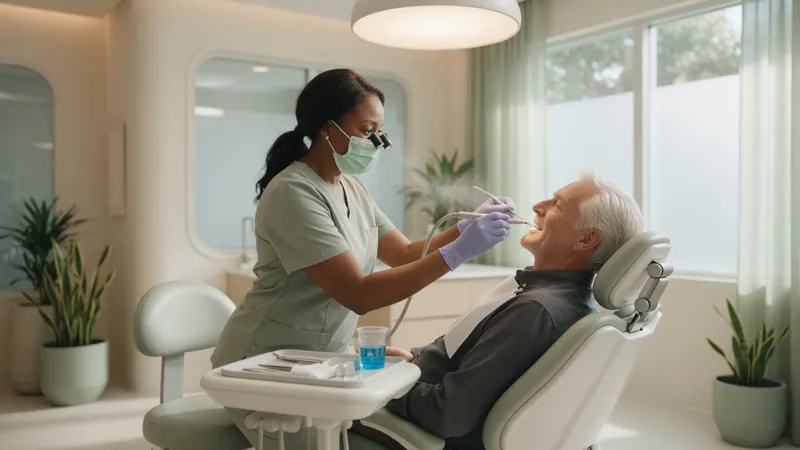
A hygienist cleans above and below the gum line, where the bacteria hide. The Mayo Clinic describes this first cleaning as removing all traces of plaque, tartar and bacterial products. That clears the source of the irritation.
Your dentist also looks for things that make plaque harder to clean away. Examples are a crown that does not fit well, or crowded teeth that trap food. Fixing these can help your gums stay healthy.
Do not try to scrape tartar off yourself with a pick or a pin. You can cut your gums, scratch the enamel and push bacteria deeper. Tartar is bonded to your tooth, and it needs the right tools and a trained hand.
How often you need a cleaning while your gums heal depends on how inflamed they are. Some people come back in a few weeks for a re-check. Others go straight to a regular schedule. Your hygienist will tell you what fits.
Step 2: Brush well, twice a day
Brush for two minutes, twice a day, with a soft toothbrush and fluoride toothpaste. The American Dental Association gives this advice as the base of good oral care.
Some tips that make a real difference:
Angle the bristles toward the gum line, at about 45 degrees.
Use short, gentle strokes. Hard scrubbing can hurt your gums.
Brush the inside surfaces and the chewing surfaces too.
Replace your brush every three to four months, or sooner if the bristles bend.
An electric toothbrush can help if you struggle with technique. Many have a timer built in, which keeps you brushing the full two minutes.
Step 3: Clean between your teeth every day
A toothbrush cannot reach the spaces between your teeth. About a third of each tooth's surface is in those spaces. That is where gingivitis often starts.
Floss once a day. Wrap the floss in a C shape around each tooth and slide it just under the gum line. If floss is hard for you to use, try small interdental brushes or a water flosser. Any of these is better than skipping.
Your gums may bleed during the first week or so. That is normal at first, because the gums are already inflamed. If you stay with it, the bleeding should fade as the gums heal. If it does not stop after about two weeks, tell your dentist.
Not sure which tool to pick? Pick the one you will actually use every day. A water flosser can be easier if you have braces, bridges or limited hand strength. Floss picks are handy when you are on the go. Your hygienist can watch you try each one and show you the right angle.
Cleaning between the teeth is the habit most people skip, and it is the one that moves the needle most for gum health. If you do only one new thing after reading this, make it this.
Step 4: Fix the habits that feed gum trouble
A few daily habits make gingivitis worse or bring it back:
Smoking and vaping. Tobacco is one of the biggest risk factors for gum disease. Mayo Clinic notes that you have the best chance of treatment success when you stop using tobacco.
Dry mouth. Less saliva means more plaque. Drink water and ask your dentist if a medicine could be the cause.
Sugary snacks and drinks all day. Bacteria feed on sugar. Fewer sipping and snacking moments means less plaque.
Skipping checkups. Plaque comes back, so cleanings need to keep coming back too.
Health changes matter as well. Diabetes, pregnancy and some medicines can make gums more sensitive. Tell your dentist about changes in your health so they can adjust your care.
How long does it take, and what about mouthwash?
Many people notice less bleeding and firmer gums within one to two weeks of a good cleaning and steady home care. Full healing can take a little longer. Your dentist will check your gums at your next visit and tell you how you are doing.
A mouthwash can be a helpful extra, but it is not a replacement for brushing and flossing. Some contain antibacterial ingredients that cut down plaque. Your dentist can suggest one that fits your needs. Do not use a mouthwash to cover up bleeding or bad breath without finding out why they are there.
Home remedies such as salt water rinses may soothe sore gums for a short time. They do not remove tartar. If your gums have been red or bleeding for more than a couple of weeks, see a dentist. Gingivitis that is left alone can turn into periodontitis, a deeper infection that damages the bone around your teeth.
Get your gums checked at KDA
At Kendall Dental Associates, routine cleanings are an hour with one of our hygienists. That time lets us clean carefully above and below the gum line and look closely at your gums. Our hygienists, Kenny Brocard and Cristina Dominguez, bring many years of experience. Kenny is known for a gentle touch.
If you notice bleeding, swelling or bad breath, do not wait for it to get worse. Call us at 305-271-1421 or visit us at 8833 SW 107th Ave in Miami, in the Kendall Mall. We are open Monday to Friday, 8:00 AM to 5:00 PM. We accept most dental insurances and most Medicare supplemental plans, and financing is available. New patients can ask about our special: a free X-ray, exam and consultation.
Most people tell us they feel nervous about what we will find. We would rather you know early, when the fix is simple, than late, when it is not. There is no judgment here, only a plan.
Common questions
Can gingivitis go away on its own?
It is unlikely. Plaque and tartar keep building up unless they are removed. Brushing and flossing can calm very mild cases, but tartar needs a professional cleaning.
How long does it take to reverse gingivitis?
Many people see less bleeding and swelling within one to two weeks of a professional cleaning and steady home care. Your dentist will tell you how your gums are healing.
Does gingivitis always turn into periodontitis?
No. But it can if it is left untreated. Treating gingivitis early is the best way to protect the bone around your teeth.
Should I stop flossing if my gums bleed?
No. Keep flossing gently. Bleeding is a sign of inflamed gums and often improves in a week or two. If it continues, see your dentist.
Is gingivitis contagious?
The bacteria can pass through saliva, but gingivitis itself depends on your own plaque control and health. Good daily care is what protects you.
This article is general information, not medical advice. Your dentist will confirm what is right for you at your exam. General information checked against: my.clevelandclinic.org, mayoclinic.org, mouthhealthy.org.